
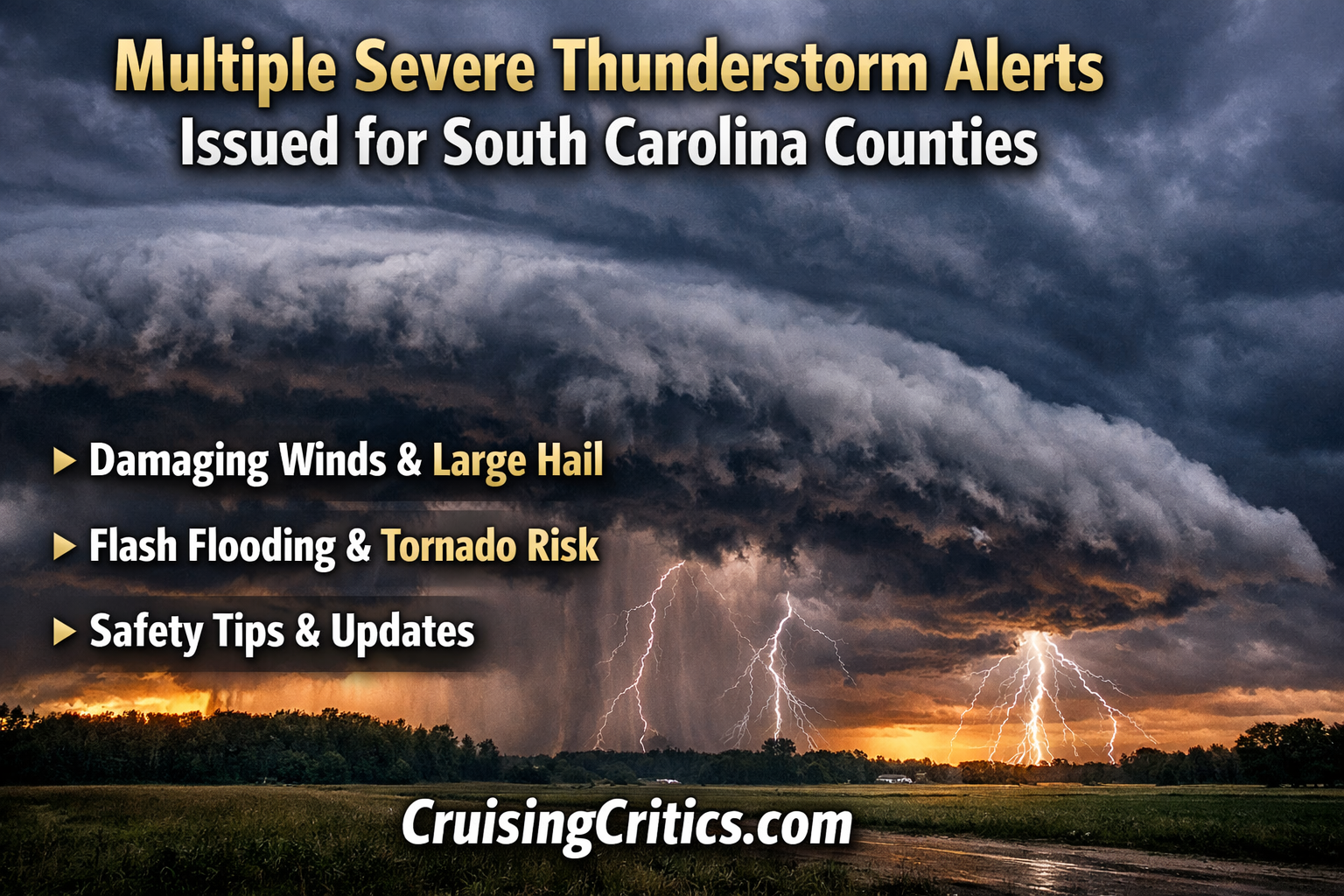
Severe weather can strike without much notice, and when it does, it’s crucial to understand what’s happening, why it’s happening, and how to stay safe. In South Carolina, multiple severe thunderstorm alerts can sound the alarm about potentially hazardous storms. But what exactly do these alerts mean, and how can you respond effectively?
In this article, we’ll break down everything you need to know about these alerts, the threats posed by severe thunderstorms, and how to protect yourself and your family when the weather turns violent. Let’s dive in!
What “Multiple Severe Thunderstorm Alerts Issued for South Carolina Counties” Really Means
When a notification is sent out that multiple severe thunderstorm alerts have been issued for South Carolina counties, it’s a call to action. It’s not just one isolated storm in a single region — it’s an indication of a system that’s affecting a wide area. Several counties may be impacted by hazardous conditions, and the threat level can be significant.
The wording “multiple severe thunderstorm alerts” implies that there could be more than one storm system causing problems across the state. These alerts typically encompass different regions such as the Upstate, Midlands, and Lowcountry, depending on where the storm systems are developing.
This phrase is crucial because it signals the potential for high-risk weather in various counties. It’s a broad warning, letting you know that several areas could face the same kind of severe weather simultaneously. This can include anything from intense wind gusts to dangerous rainfall, all of which have their own dangers and impacts.
Why Severe Thunderstorm Alerts Are Issued
Severe Thunderstorm Alerts are issued to help communities prepare for extreme weather events. These warnings come from the National Weather Service (NWS) and are based on real-time data about the storm’s strength and development. Meteorologists use sophisticated radar technology and atmospheric analysis to determine when conditions are ripe for severe thunderstorms.
Alerts are issued when conditions are favorable for storms that can produce damaging winds, hail, or intense rainfall. The NWS might also issue alerts when a thunderstorm shows potential for tornado development. These alerts are designed to give people enough time to take shelter or make necessary preparations before the storm hits.
Severe thunderstorm alerts are crucial because they help mitigate the risk of injuries and fatalities caused by weather events. Early warning allows people to take steps like seeking shelter, securing property, and staying indoors until the storm passes.
How the National Weather Service Determines Alerts
The National Weather Service (NWS) uses a combination of weather monitoring tools to determine when a severe thunderstorm alert is warranted. They primarily rely on radar data, satellite images, weather stations, and storm spotters on the ground. These sources provide critical information about storm movement, wind speed, rainfall rates, and other factors that help meteorologists assess storm severity.
If a storm produces winds exceeding 58 mph or hail larger than 1 inch in diameter, it typically triggers a severe thunderstorm warning. The NWS also monitors the possibility of tornadoes and can issue additional alerts for tornado warnings if the conditions align with tornado formation.
It’s important to understand that the NWS doesn’t just rely on one piece of information. They analyze multiple data points from different sources to ensure that the alerts they issue are accurate and timely. The goal is always to give the public as much time as possible to prepare and stay safe.
Understanding Watches vs. Warnings
Knowing the difference between a watch and a warning is essential when severe weather strikes. A watch indicates that conditions are favorable for the development of severe storms but that the storms haven’t yet reached dangerous levels. It’s a warning to remain alert, as conditions could change rapidly.
On the other hand, a warning is issued when severe weather has been detected, either through radar or direct observation. If you’re under a warning, the storm is imminent or already happening, and it’s time to take immediate action to protect yourself.
The most important thing to remember is this: a watch means “be prepared,” and a warning means “act now.” This distinction can help you understand how much time you have to prepare and how urgently you need to respond.
South Carolina’s Geography and Severe Weather Patterns
South Carolina’s geography plays a significant role in the occurrence of severe thunderstorms. The state is located in the Southeastern United States, where warm, moist air from the Atlantic Ocean often collides with cooler, drier air from the west. This collision creates unstable atmospheric conditions, perfect for the development of severe storms.
The coastal regions of South Carolina are particularly prone to severe weather, especially during the summer and fall months. With frequent thunderstorms occurring during these seasons, areas like Charleston, Beaufort, and Hilton Head Island often experience intense rainfall and wind.
The Upstate and Midlands regions, which are more inland, also face severe weather threats. These areas can see significant thunderstorms, especially when cold fronts from the west meet the humid air from the Gulf of Mexico. As a result, South Carolina sees a high frequency of thunderstorm activity throughout the year.
Regions Most Affected by These Alerts
When multiple severe thunderstorm alerts are issued, they typically cover a wide range of areas across the state. Counties in the Upstate, such as Greenville, Spartanburg, and Anderson, are often included in these alerts due to their proximity to storm systems coming from the northwest.
The Midlands region, which includes cities like Columbia and Lexington, is also frequently impacted by severe thunderstorms. These areas are prone to sudden weather shifts as cold and warm air masses interact.
Coastal areas, including Charleston, Beaufort, and Myrtle Beach, can also face severe thunderstorms. While the coastal areas are usually more vulnerable to hurricanes and tropical storms, thunderstorms are still a significant concern due to the warm, moist air that flows in from the Atlantic.
Typical Storm Hazards in South Carolina
Severe thunderstorms bring with them a range of dangerous hazards that can cause significant damage. Some of the most common threats include heavy rainfall, high winds, hail, and lightning. Each of these presents unique dangers to individuals, homes, and infrastructure.
1. Damaging Wind Gusts
Wind gusts during severe thunderstorms can reach speeds in excess of 60 mph, causing trees to topple, power lines to snap, and roofs to become damaged. These strong winds can make driving dangerous, especially for high-profile vehicles like trucks and buses.
2. Heavy Rain and Flash Flooding
Heavy rainfall can lead to flash flooding, particularly in low-lying areas or places where drainage systems are overwhelmed. Floodwaters can quickly rise, making it unsafe to drive or even walk in certain areas.
3. Hail and Lightning
Hailstones can grow as large as golf balls or even baseballs in severe storms. These large chunks of ice can damage cars, roofs, and windows. Lightning strikes are another dangerous hazard, as they can cause fires, power outages, and fatalities.
Danger #1: Damaging Wind Gusts
One of the most destructive elements of severe thunderstorms in South Carolina is the wind. Wind gusts exceeding 60 mph can uproot trees, snap power lines, and cause serious damage to buildings. The risk of property damage increases significantly when strong winds accompany heavy rainfall.
These winds can also turn debris into projectiles, creating additional hazards for people who are caught outside during the storm. Even after the storm has passed, the damage can leave people without power and make it difficult to clear debris.
Residents are encouraged to take shelter in interior rooms and away from windows during a storm to reduce the risk of injury. If possible, secure outdoor furniture and loose objects that could become dangerous projectiles in high winds.
Danger #2: Heavy Rain and Flash Flooding
Heavy rain is another common danger associated with severe thunderstorms in South Carolina. In a short amount of time, intense rainfall can flood streets and cause rivers and creeks to overflow. Flash floods can occur with little warning, making it essential for residents to stay alert when severe weather is in the forecast.
Flash floods are especially dangerous because they can turn roads into fast-moving rivers in just a few minutes. Driving through floodwaters is one of the leading causes of death during flash floods. Residents should avoid driving during or after a storm and stay indoors until it is safe to venture out.
The best way to prepare for potential flooding is to know your area’s flood risk and to avoid living or parking in flood-prone zones. Having an emergency kit and a plan for evacuating can also help in the event of an evacuation order.
Danger #3: Hail and Lightning
Hail is a frequent companion to severe thunderstorms in South Carolina, and large hailstones can cause significant damage. In fact, hailstones as large as golf balls can break windows, dent vehicles, and destroy crops. Property owners should take steps to protect their property, such as moving vehicles into garages or covered spaces when a severe storm is expected.
Lightning is equally dangerous, with the potential to strike anywhere within the storm’s radius. Lightning strikes can cause fires, power outages, and even fatalities. It’s vital to stay indoors during a storm and avoid using electrical appliances. People should also avoid standing near tall objects, such as trees, which attract lightning.
Danger #4: Tornado Potential
While not all severe thunderstorms produce tornadoes, the potential for tornado development is one of the most alarming threats. South Carolina sees a number of tornadoes each year, and many of these tornadoes form within severe thunderstorms. Tornadoes can devastate homes, vehicles, and infrastructure in just a matter of minutes.
The best way to protect yourself from a tornado is to have a designated safe area in your home, such as a basement or interior room. If you are caught outside, seek shelter in a low-lying area or sturdy building. Always heed tornado warnings and take immediate action if you’re in the path of a twister.
How Residents Can Stay Informed
Staying informed is key to safety when severe weather strikes. Fortunately, there are numerous ways to receive alerts and updates about thunderstorms in South Carolina. Wireless Emergency Alerts (WEAs) are sent directly to your phone and can provide real-time information about weather conditions in your area.
Additionally, local news outlets, weather apps, and NOAA weather radios can help you stay up-to-date on storm developments. Many counties in South Carolina also offer reverse 911 systems to notify residents about emergency situations.
By signing up for weather alerts and keeping a close eye on forecasts, you can be proactive in preparing for severe weather and stay ahead of the storm.
How to Prepare Before Alerts Activate
Preparation is crucial when it comes to severe thunderstorms. Before alerts are even issued, residents can take proactive steps to ensure their safety. First, make sure that your emergency kit is well-stocked with essentials like water, snacks, first-aid supplies, a flashlight, batteries, and important documents.
Also, make sure to check your home’s structural integrity. Repair any loose roofing, windows, or other vulnerabilities before storm season hits. Know the best places to take shelter within your home, such as a basement or an interior room without windows.
What to Do During the Storm
When the storm strikes, the most important thing is to remain calm and take action. Stay indoors, away from windows and doors, and move to your designated safe area. If you’re driving when the alert goes off, pull over safely, stay in your vehicle, and avoid traveling through flooded areas.
Listen for updates from local authorities, and don’t underestimate the storm. Even if the weather seems to calm down, be ready for it to intensify quickly. Continue monitoring alerts, and follow any instructions given by local emergency services.
After the Storm Passes
Once the storm has passed, be cautious before going outside. Look for signs of structural damage and avoid walking through standing water, as it could be contaminated or hiding hazardous debris. If you experience damage, report it to authorities, and wait for further instructions.
Check on neighbors, especially those who are elderly or disabled, to ensure their safety. Share any resources you might have, such as food, water, or tools for cleanup.
Why These Alerts Matter for Communities
The issuance of severe thunderstorm alerts is a crucial service for communities. They provide residents with the opportunity to take precautions, protect their property, and save lives. When these alerts are issued for multiple counties, it’s a sign of widespread concern — but also of preparedness.
By responding promptly to these alerts and taking the necessary steps to protect yourself and your family, you can help reduce the impact of severe weather on your community.
Future Outlook: Are Severe Storms Increasing?
Some experts suggest that with changing global climates, the frequency and intensity of storms could increase. Warmer temperatures can fuel more severe weather systems, and this could mean more frequent and intense thunderstorms in South Carolina. Preparing now will help ensure that we’re ready for any potential shifts in storm patterns.
As we continue to study the effects of climate change on severe weather, it’s important to stay informed about potential changes in your area’s risk profile.
Read More: Do the Driving Modes in Cadillac Lyriq Offer Different Ranges or Battery Usages?
Conclusion
When multiple severe thunderstorm alerts are issued for South Carolina counties, it’s not just a simple weather warning — it’s a critical message that should be taken seriously. By understanding the nature of these alerts, the types of hazards they represent, and how to prepare, you can safeguard yourself, your family, and your property.
Severe weather is unpredictable, but with the right knowledge and preparation, you can face it head-on with confidence. Be alert, stay safe, and remember that these alerts are there to protect you.
FAQs
1. What does a severe thunderstorm alert mean?
It means that hazardous weather conditions are likely to occur, including strong winds, hail, and heavy rain, which could pose a threat to life and property.
2. How often are these alerts issued in South Carolina?
Due to the state’s geographic location and climate, severe thunderstorm alerts are common, especially in late spring through summer.
3. What’s the difference between a watch and a warning?
A watch means conditions are favorable for severe weather, while a warning means the severe weather is happening now or is imminent.
4. Should I evacuate when an alert is issued?
Evacuation is not typically necessary unless local authorities advise it. Stay indoors and seek shelter in a safe area.
5. How can I receive severe weather alerts faster?
Sign up for local alert systems, use wireless emergency alerts on your phone, and monitor trusted weather apps for the latest updates.